
Artificial Spring Flower Arrangements Wholesale Guide
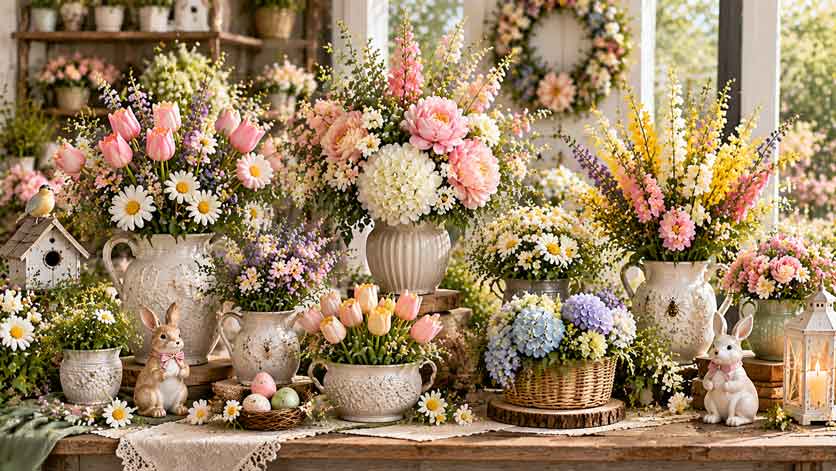
Artificial spring flower arrangements featuring tulips, daisies, hydrangeas, peonies and decorative vases for wholesale home decor collections.
Artificial flowers help retailers refresh seasonal collections with consistent colors, attractive shapes, and flexible styling options. Moreover, artificial spring flower arrangements allow buyers to create coordinated displays without depending on fresh flower availability. From colorful tulip bouquets to delicate wildflowers and full hydrangea-inspired centerpieces, these products offer versatile options for spring home decor.
For 2027, retailers can combine nature-inspired colors, varied flower shapes, decorative vases, and coordinated product designs. In addition, these arrangements support multiple retail occasions, including Easter, spring weddings, Mother’s Day, and everyday home decorating.
This guide explains how to select artificial spring flower arrangements for wholesale programs. Furthermore, it covers floral styles, color trends, materials, vase combinations, packaging, and OEM/ODM opportunities for retailers, importers, distributors, and private-label brands.
1. Artificial Spring Flower Arrangement Trends for 2027
Spring offers an excellent opportunity to introduce floral colors and botanical details into home decor collections. However, successful seasonal assortments need more than attractive flowers; they also require coordinated designs, suitable materials, and clear retail positioning.
According to the Pinterest Spring Trend Report 2026, searches for spring decor ideas increased by 300%, while searches for garden inspiration ideas increased by 940% during the report’s comparison period. Although these figures measure Pinterest search activity rather than artificial flower sales, they provide useful context for seasonal product planning.
Meanwhile, the Pantone Spring/Summer 2027 Fashion Color Trend Report offers additional inspiration for future color development. Although Pantone focuses on fashion, retailers can also explore its color directions when planning decorative floral collections.
Based on these design signals, buyers can consider five floral directions for spring 2027:
- Romantic florals: Combine soft pink blossoms, lavender accents, and delicate greenery.
- Wildflower arrangements: Mix small flowers and varied foliage for a relaxed garden appearance.
- Modern botanical: Pair sculptural containers with restrained colors and simple floral compositions.
- Cottagecore florals: Combine daisies, vintage-inspired patterns, and warm countryside colors.
- Colorful statement arrangements: Use expressive flowers and coordinated containers to attract attention in retail displays.
Ultimately, retailers should select a design direction that suits their target customers, product assortment, and price positioning. These ideas offer planning guidance rather than confirmed rankings of 2027 best-selling products.
2. Six Artificial Spring Flower Arrangement Styles
1. Tulip Arrangements
Tulips provide a recognizable starting point for spring floral collections. Their clean shapes and varied colors work well in decorative pitchers, ceramic vases, and coordinated tabletop displays.
For wholesale collections, buyers can choose single-color bouquets or mixed-color arrangements. For example, soft pink tulips create a romantic look, while yellow and white combinations bring a brighter garden-inspired feel.
Suggested colors: blush pink, soft yellow, cream, lavender, and fresh green.
Suitable applications: Entryway decor, kitchen counters, dining tables, gift shops, spring retail displays, and seasonal home accessories.
Before placing an order, buyers should examine petal shapes, stem lengths, leaf attachments, and color consistency. In addition, they should check how easily the stems fit into different containers and how naturally the arrangement holds its shape.
2. Daisy and Wildflower Arrangements
Daisies and mixed wildflowers create a relaxed, garden-inspired appearance. Their smaller flower shapes add texture and variety without making an arrangement look overly formal.
Consequently, these styles work particularly well in cottagecore, farmhouse, and rustic spring collections. Buyers can also combine wildflowers with simple containers to create an approachable, everyday decorative look.
Suggested colors: White, yellow, soft pink, lavender, and muted botanical green.
Suitable applications: Decorative baskets, ceramic pitchers, tabletop vases, spring wreaths, garden-themed displays, and gift collections.
When comparing suppliers, examine flower varieties, visual density, stem flexibility, leaf details, and consistency across multiple units. Furthermore, ask for close-up photographs or physical samples when the product’s surface texture matters to your collection.
For complementary products, explore SYL Crafts’ artificial spring wreaths. By coordinating floral colors across wreaths and tabletop arrangements, retailers can create a more unified seasonal assortment.
3. Hydrangea Arrangements
Hydrangea-inspired arrangements feature clustered blossoms that create a fuller visual appearance. As a result, they work well as standalone centerpieces or as the main flowers in mixed botanical designs.
For wholesale buyers, these arrangements offer an option for decorative containers that need substantial visual coverage. Moreover, their rounded flower heads can help create a balanced display when buyers combine them with smaller blossoms and greenery.
Suggested colors: Soft blue, pale pink, lavender, cream, and muted green.
Suitable applications: Living room decor, wedding-inspired collections, dining tables, decorative vases, and retail window displays.
Before selecting a design, buyers should compare flower-head proportions, petal definition, color variation, stem support, and container compatibility. In particular, they should confirm the overall dimensions so the arrangement fits the intended display space.
4. Peony-Inspired Romantic Arrangements
Peony-inspired designs feature layered petals and full floral silhouettes. Therefore, they can create an elegant focal point for romantic and gift-oriented collections.
Buyers can combine larger focal blooms with smaller supporting flowers and greenery. For example, blush pink flowers paired with cream blossoms can create a soft, coordinated appearance for spring weddings and Mother’s Day displays.
Suggested colors: Blush pink, dusty rose, cream, soft coral, and muted green.
Suitable applications: Spring weddings, Mother’s Day displays, bridal showers, decorative centerpieces, and premium-looking home decor collections.
During sample review, examine petal layering, bloom size, color consistency, stem positioning, and packaging protection. In addition, compare several arrangements together to see whether their colors and proportions remain consistent across the collection.
5. Mixed Botanical Arrangements
Mixed botanical arrangements combine different flower varieties, foliage types, and complementary colors. Consequently, they can create a more natural-looking composition than arrangements that feature only one flower type.
For spring 2027, buyers can explore combinations of tulips, daisies, hydrangea-inspired blossoms, lavender-style flowers, and greenery. Meanwhile, a coordinated color palette helps different flower shapes work together rather than compete for attention.
Suggested colors: Pink, lavender, soft yellow, cream, and botanical green.
Suitable applications: Decorative vases, entryway tables, spring window displays, gift shops, and seasonal home decor collections.
Before approving a mixed arrangement, evaluate its overall proportions, focal flower placement, color balance, stem density, and appearance from multiple viewing angles. This process helps buyers choose products that look attractive both individually and in larger retail displays.
6. Potted Artificial Spring Flowers
Potted artificial flowers combine decorative blooms with a ready-to-display container. As a result, retailers can present a complete decorative product without asking customers to choose a separate vase.
Depending on the design, manufacturers can use ceramic-look finishes, neutral decorative surfaces, or rustic-inspired containers. In addition, buyers can coordinate the container color with the flowers to create a more distinctive product family.
Suggested colors: Warm white, cream, pale yellow, blush pink, and sage green.
Suitable applications: Shelves, office desks, reception areas, entryway consoles, retail counters, and gift collections.
When sourcing potted arrangements, check container dimensions, arrangement stability, visible stem construction, and packaging protection. Finally, confirm whether the manufacturer intends the product for indoor use or a specified outdoor environment.
3. Spring 2027 Color Palettes for Artificial Flowers
A coordinated color palette helps retailers build recognizable spring collections across several flower styles and container designs. Moreover, a consistent palette makes it easier to group products in physical stores and online catalogs.
| Collection Theme | Suggested Colors | Recommended Products |
|---|---|---|
| Romantic Spring | Blush pink, lavender, cream | Peony-inspired bouquets, decorative vases, wedding centerpieces |
| Fresh Garden | Soft yellow, white, botanical green | Daisy arrangements, wildflowers, potted spring flowers |
| Modern Botanical | Blue-green, warm white, muted sage | Sculptural containers, restrained floral arrangements, greenery |
| Cottagecore | Dusty pink, pale yellow, cream, soft green | Mixed wildflowers, pitcher arrangements, farmhouse accessories |
| Colorful Spring | Coral, pink, yellow, lavender | Statement bouquets, gift collections, seasonal retail displays |
These palettes offer editorial recommendations inspired by seasonal design directions. However, they do not represent official Pantone home decor forecasts or verified 2027 sales rankings.
For more detailed color planning, read our Spring 2027 Color Trends for Home Decor guide. You can then use the selected palette to coordinate flowers, containers, wreaths, and complementary decorative accessories.
4. How to Choose Artificial Flower Materials
The material used in an artificial flower arrangement influences its appearance, flexibility, surface texture, durability, and cost. Therefore, buyers should evaluate each finished product instead of assuming that all artificial flowers use the same materials.
| Material Category | Typical Characteristics | What Buyers Should Check |
|---|---|---|
| Polyester and other textile fabrics | Support printed colors, layered petals, and flexible shapes | Fabric texture, edge finishing, color consistency, and fraying |
| PE and other suitable plastics | Support shaped petals, leaves, and dimensional details | Surface quality, flexibility, shape retention, and material specifications |
| PU and other molded materials | May support detailed forms and selected soft-touch effects | Actual material composition, finish quality, durability, and applicable requirements |
| Mixed-material constructions | Combine different petal, leaf, stem, and decorative components | Attachment strength, consistency, material compatibility, and packaging |
This table provides general material-selection guidance. Nevertheless, actual construction varies by product, so buyers should request the manufacturer’s specifications for each design.
Petal Shape and Surface Finish
Petal shape strongly influences the appearance of artificial flowers. For this reason, examine the definition of the flower edges, the layering of petals, and the consistency of the finish across different angles.
Close-up photographs and physical samples can help buyers compare similar products. In addition, sample reviews reveal material textures that lighting or image processing may obscure in online photographs.
Stem Flexibility and Flower Positioning
Stem construction determines how easily buyers can adjust an arrangement to fit a vase or display. Therefore, confirm whether the manufacturer designs the stems for repositioning and follow the supplier’s handling instructions.
Excessive bending or compression during packing can affect the final appearance. For this reason, evaluate packaging and product construction together rather than treating them as separate purchasing decisions.
Color Consistency Across Bulk Orders
Color consistency matters when retailers sell coordinated assortments or display the same products across multiple locations. Consequently, buyers should establish approved color references and sample standards before production.
Because different materials and finishes can affect the appearance of a color, review samples under appropriate lighting. This step helps buyers set realistic expectations for the finished products.
5. How to Match Artificial Flowers with Decorative Vases
A suitable container improves the presentation of an artificial flower arrangement and connects it with a wider home decor collection. Moreover, coordinated vases give retailers another opportunity to develop complementary products.
Neutral Ceramic-Look Vases
Cream, ivory, and warm-white containers complement colorful spring bouquets without competing with the flowers. As a result, these combinations work well for romantic floral collections, minimalist displays, and gift-oriented home accessories.
Textured Decorative Vases
Textured containers add visual interest when buyers pair them with simple flower arrangements. However, the texture should complement the flowers rather than overwhelm their shapes and colors.
For example, a neutral textured vase can complement soft pink tulips or a restrained white-and-green botanical arrangement.
Glass and Transparent Containers
Transparent containers create a lighter visual appearance and make stem placement part of the decorative composition. However, buyers should review stability, edge finishing, dimensions, and packaging requirements before ordering glass products.
Rustic and Woven-Look Containers
Woven-look baskets and rustic-inspired containers support cottagecore and farmhouse arrangements. In particular, they pair well with wildflower bouquets, daisy arrangements, and mixed botanical designs.
Explore SYL Crafts’ wholesale decorative vase collection for complementary container styles and custom product development ideas.
6. Artificial Spring Flowers for Different Retail Occasions
Easter Collections
For Easter, retailers can pair artificial tulips, daisies, and pastel mixed arrangements with decorative rabbits, eggs, and seasonal containers. In addition, coordinated sets can help buyers create a complete seasonal display.
Before ordering, confirm whether the supplier sells each item individually or as part of a set. For broader sourcing ideas, explore our wholesale seasonal decoration collections.
Spring Weddings and Bridal Showers
Wedding-oriented floral arrangements benefit from consistent colors, coordinated flower varieties, and repeatable product designs. For example, retailers can combine blush pink and cream flowers with matching containers for a romantic tablescape.
Artificial flowers can support decorative centerpieces, welcome displays, table arrangements, and other event styling applications where consistent appearance matters. However, buyers should confirm dimensions, stem positioning, packaging, and the required number of arrangements before ordering.
Mother’s Day Gift Collections
Floral arrangements provide a natural fit for Mother’s Day merchandising. Therefore, retailers can combine decorative vases, gift-ready packaging, and coordinated color palettes to create a cohesive collection.
Moreover, arrangements that suit everyday home decorating can remain relevant after the holiday, helping retailers extend their merchandising opportunities.
Garden Parties and Spring Events
Mixed botanical arrangements support garden parties, brunches, and spring celebrations. For example, buyers can combine floral vases, wreaths, and nature-inspired accessories to create a coordinated display.
For actual outdoor use, verify the product’s suitability for sunlight, moisture, and other environmental conditions. Do not describe artificial flowers as UV-resistant or weather-resistant unless product-specific documentation supports that claim.
7. How Retailers Can Merchandise Artificial Spring Flowers
Effective merchandising helps shoppers understand how a product looks in a real setting and how it pairs with other items. Moreover, coordinated displays give retailers opportunities to introduce complementary products.
Shopify’s product merchandising guide discusses product grouping, display planning, product discovery, and the role of high-quality imagery in helping customers understand merchandise.
Create Coordinated Color Stories
Group arrangements by color palette or design style instead of mixing unrelated products. For example, a romantic spring collection can combine blush pink flowers, lavender accents, and cream containers.
By contrast, a modern botanical collection can focus on neutral colors, sculptural vases, and restrained greenery. This approach helps shoppers recognize the collection’s visual identity.
Display Different Sizes Together
Combining arrangements of different heights helps retailers demonstrate how products work in different spaces. For example, a larger centerpiece can sit beside smaller vases or compact floral accessories.
However, buyers should confirm product dimensions and provide accurate specifications so customers can assess the actual scale before ordering.
Use Lifestyle Images and Accurate Product Photos
Lifestyle photography shows how a finished arrangement looks in a real setting. Meanwhile, clear product images help buyers evaluate flower shapes, materials, colors, and details.
For B2B product pages, provide accurate photographs and complete specifications. As a result, purchasing teams can compare products and make better-informed decisions.
Build Cross-Selling Opportunities
Retailers can display artificial flower arrangements alongside complementary vases, wreaths, decorative figurines, and seasonal ornaments. In addition, they can organize related products into coordinated collections for easier browsing.
This strategy helps retailers present a more complete design concept and gives customers ideas for matching their purchases.
8. Packaging and Shipping Artificial Flower Arrangements
Packaging helps maintain the appearance of artificial flowers during storage and international transportation. Therefore, buyers should evaluate how each carton protects petals, leaves, stems, and decorative containers.
Protect Petals and Stems
Choose packaging that reduces unnecessary compression and helps prevent stems from bending beyond their intended shape. For larger arrangements, confirm how the product sits inside the carton and whether the packer needs to secure any components separately.
Protect Decorative Containers
Glass, ceramic, and other fragile containers may require protective inserts or separation from the flower components. Consequently, buyers should evaluate the complete packaging system rather than treating the flowers and containers as unrelated products.
Confirm Carton Dimensions and Case Pack
Wholesale buyers should request product dimensions, carton measurements, gross weight, net weight, and case pack quantities where applicable. These details help purchasing teams estimate storage requirements, shipping costs, and retail handling needs.
Review Packaging Samples
Before approving bulk production, test packaging samples to confirm that workers can pack and unpack the products without unnecessary damage or loss of shape. For customized programs, approve packaging specifications alongside the finished product sample.
9. Wholesale Buying Checklist for Artificial Spring Flowers
Before placing a wholesale order, buyers should confirm the following details with the supplier. This checklist helps purchasing teams reduce uncertainty and compare quotations more effectively.
- Flower varieties: Confirm the selected flower types, colors, and arrangement composition.
- Product dimensions: Verify overall height, width, depth, and container dimensions.
- Material composition: Request specifications for petals, leaves, stems, and containers.
- Color references: Establish approved samples for coordinated collections.
- Stem construction: Confirm flexibility, attachment quality, and handling instructions.
- Intended use: Clarify whether the product suits indoor use, sheltered outdoor use, or another specified application.
- Packaging: Confirm carton dimensions, case pack, protective materials, and labeling.
- MOQ: Establish the minimum order quantity for each arrangement and any customized components.
- Customization: Confirm available flower combinations, colors, container options, and packaging choices.
- Lead time: Agree on sampling, approval, production, inspection, and shipping schedules.
- Quality requirements: Define acceptable standards for appearance, color consistency, dimensions, and attachment strength.
For an accurate quotation, provide product reference images, dimensions, preferred materials, estimated quantities, packaging requirements, destination market, and expected delivery date. In addition, ask the supplier to identify any development costs or tooling charges before you approve the order.
10. OEM and ODM Artificial Spring Flower Arrangements
Custom artificial flower arrangements help retailers and private-label brands differentiate their seasonal collections. Through OEM/ODM development, buyers can explore exclusive flower combinations, coordinated colors, decorative containers, and branded packaging.
SYL Crafts offers seasonal product development and OEM/ODM services for international buyers.
Custom Flower Combinations
Buyers can discuss flower varieties, foliage combinations, arrangement proportions, and decorative accents according to the selected design and manufacturing requirements.
Custom Colors and Containers
Customized color palettes and decorative containers help brands create coordinated collections. However, buyers should approve physical samples before mass production to confirm the final appearance.
Private-Label Packaging
Manufacturers may develop branded labels, printed cartons, protective inserts, barcodes, and product information according to the retailer’s requirements.
Because fragile containers and delicate flowers require different forms of protection, confirm the packaging design with the supplier before production.
Sampling and Product Approval
A typical development process includes concept discussion, design review, sample creation, sample approval, packaging confirmation, mass production, quality inspection, and shipment preparation.
MOQ, development costs, and lead times depend on the final design, materials, customization, packaging, and order quantity. Therefore, buyers should confirm these details before finalizing their purchasing schedule.
For project-specific information, contact SYL Crafts to discuss your artificial spring flower arrangement requirements.
11. Frequently Asked Questions About Artificial Spring Flower Arrangements
What artificial flowers work well in spring collections?
Tulips, daisies, hydrangea-inspired blossoms, peony-inspired flowers, lavender-style stems, and mixed botanical arrangements offer useful options for spring collections. Ultimately, buyers should select products that match their target customers, design style, and price positioning.
What colors work well for artificial spring flower arrangements?
Blush pink, lavender, soft yellow, cream, botanical green, and blue-green can create coordinated spring palettes. However, retailers should select colors according to their collection theme and approve physical samples for customized products.
Can artificial flower arrangements work outdoors?
Product suitability depends on the materials, construction, finish, and intended application. Therefore, buyers should confirm product-specific UV resistance, moisture suitability, and installation guidance before marketing an arrangement for outdoor use.
Can suppliers sell artificial flower arrangements with decorative vases?
Yes. Suppliers can develop arrangements with complementary containers or offer the items separately, depending on the product design and retail strategy. Before ordering, confirm dimensions, packaging, and whether the supplier sells the items individually or as a set.
What should buyers check when sourcing artificial flowers wholesale?
Important considerations include flower appearance, material composition, dimensions, color consistency, stem construction, packaging, MOQ, customization options, and production lead time. In addition, buyers should review samples before approving bulk orders.
Can manufacturers customize artificial spring flower arrangements?
Yes. OEM/ODM programs may support custom flower combinations, colors, container designs, arrangement proportions, and private-label packaging. However, available options depend on the selected product and manufacturing requirements.
How should suppliers package artificial flower arrangements?
Suppliers should choose packaging that protects petals, leaves, stems, and containers from unnecessary compression and damage. Therefore, buyers should review carton dimensions, case pack quantities, and packaging samples before approving bulk production.
12. Develop Your Spring 2027 Artificial Flower Collection
Artificial spring flower arrangements give retailers a flexible way to build coordinated seasonal collections for home decor, gifting, weddings, and spring retail displays. From tulip bouquets and wildflower arrangements to hydrangea-inspired centerpieces and potted floral decorations, different styles can serve distinct customer preferences.
However, successful wholesale sourcing requires more than attractive flowers. Buyers should confirm product specifications, maintain consistent colors, select suitable materials, approve protective packaging, and plan production schedules carefully.
SYL Crafts supports international buyers with seasonal product development, OEM/ODM customization, coordinated decorative collections, and private-label packaging solutions.
Looking for an artificial flower arrangement supplier for your next seasonal collection? Explore the SYL Crafts Artificial Flowers Wholesale collection, review our OEM/ODM product development services, or contact our team to discuss product concepts, samples, specifications, and wholesale sourcing requirements.
Industry Research and References
The following sources provide design inspiration and practical retail merchandising guidance. Although these sources inform our seasonal recommendations, they do not establish confirmed 2027 artificial flower sales rankings.