
Butterfly & Bee Decorations 2027 | Spring Decor Trends
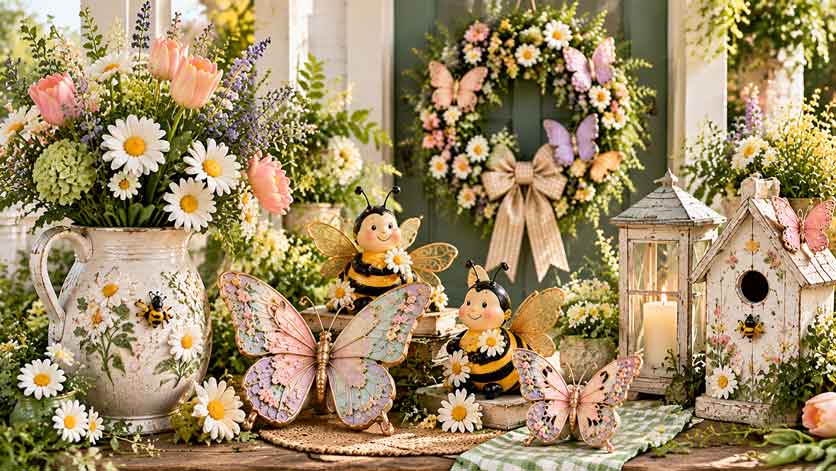
butterfly-bee-decorations-2027-spring-trends
Butterflies and bees bring a playful connection to nature into spring home decorating. From delicate butterfly motifs and honeybee figurines to floral wreaths, botanical vases, and garden-inspired ornaments, these designs offer retailers a flexible way to develop distinctive seasonal collections.
For 2027, butterfly and bee decorations can be explored through several design directions, including romantic botanical styling, cottagecore patterns, whimsical garden characters, and contemporary decorative accents. These motifs can be adapted to different materials, colors, sizes, and retail occasions, making them suitable concepts for spring and year-round home decor programs.
This guide explores butterfly and bee decoration ideas, suggested color palettes, product applications, display concepts, and wholesale sourcing considerations for retailers, importers, distributors, and private-label brands.
1. Butterfly and Bee Decoration Trends for 2027
Nature-inspired imagery continues to offer a useful source of inspiration for decorative product development. Flowers, leaves, birds, butterflies, and other garden creatures can introduce personality into a collection while connecting individual products through a recognizable theme.
The 2026 Retail Product Trend Report from Craft Industry Alliance identifies softer animal imagery, including butterflies, birds, fawns, and storybook animals, as design directions appearing across home decor, nursery products, art, and accessories. The report also discusses playful patterns, nostalgic details, and tactile materials.
Pinterest’s Pinterest Predicts 2026 includes the Wilderkind aesthetic, which explores animal-inspired imagery and nature-related visual details. Some of its examples come from fashion and accessories rather than home decor, so these findings should be treated as adjacent inspiration rather than proof of demand for butterfly or bee decorations specifically.
For spring 2027, retailers can use these design signals to explore several product development directions:
- Botanical elegance: delicate butterflies paired with flowers, leaves, and soft neutral finishes.
- Cheerful garden characters: honeybees, daisies, and colorful spring figurines.
- Cottagecore styling: vintage-inspired illustrations, gingham patterns, and rustic-looking decorative details.
- Contemporary nature motifs: simplified butterfly silhouettes, sculptural bee figures, and restrained color palettes.
- Coordinated seasonal collections: matching ornaments, tabletop figurines, floral accessories, and decorative containers.
For wholesale buyers, the goal is to translate these concepts into coordinated products that fit a defined customer group and retail price range.
2. Six Butterfly and Bee Decoration Styles to Explore
1. Romantic Botanical Butterfly Decor
Romantic botanical designs combine butterfly motifs with delicate blossoms, leafy branches, and softly coordinated colors. This approach creates a gentle decorative appearance suitable for spring home styling, floral displays, and gift-oriented collections.
Suggested colors: blush pink, lavender, cream, pale blue, and muted botanical green.
Product ideas:
- Butterfly figurines with floral details
- Decorative vases featuring butterfly or botanical patterns
- Flower arrangements with butterfly accents
- Decorative wall ornaments and hanging accessories
- Floral wreaths with butterfly embellishments
For a coordinated display, combine one prominent butterfly decoration with smaller floral accessories rather than repeating the same motif on every item.
Retailers can explore wholesale artificial flowers and spring floral arrangements for complementary botanical product concepts.
2. Cheerful Honeybee and Daisy Decor
Honeybee decorations offer a bright, friendly interpretation of garden-inspired styling. The combination of yellow, black, white, and green creates a recognizable visual theme that can work across decorative figurines, floral accessories, and seasonal displays.
Daisies, small blossoms, and leafy details help soften the contrast of the bee motif and create a more balanced spring appearance.
Suggested colors: honey yellow, warm white, sage green, soft beige, and small black accents.
Product ideas:
- Honeybee figurines and decorative characters
- Bee-themed tabletop ornaments
- Daisy-patterned decorative containers
- Floral wreaths with bee accents
- Garden-themed decorative accessories
Design tip: Use yellow and black as accent colors rather than allowing them to dominate every product. Cream backgrounds and botanical green can make a bee-themed collection feel more suitable for home decor.
3. Cottagecore Butterfly and Bee Decorations
Cottagecore styling draws inspiration from countryside living, vintage patterns, gardens, and nostalgic decorative details. Butterfly and bee motifs fit naturally into this direction when combined with floral illustrations, gingham checks, woven-look textures, and warm neutral colors.
Suggested colors: sage green, dusty pink, antique cream, pale yellow, and muted lavender.
Product ideas:
- Vintage-style butterfly ornaments
- Bee figurines with floral accents
- Decorative containers with botanical patterns
- Spring wreaths with ribbons and small garden motifs
- Textured figurines and rustic-looking accessories
For retailers developing a cottagecore collection, consistency is more important than using many different motifs. A shared palette and a few recurring patterns can connect multiple product categories.
Read our Spring Floral Patterns 2027: Botanical and Cottagecore Trends guide for more ideas involving wildflowers, gingham, butterflies, and botanical illustrations.
4. Whimsical and Colorful Garden Characters
Whimsical decorations use playful shapes, expressive colors, and friendly character designs to create an approachable seasonal appearance. Butterfly and bee motifs can be developed as standalone characters or combined with flowers, mushrooms, birds, and other garden-inspired elements.
Suggested colors: bright yellow, coral pink, lavender, fresh green, and turquoise-inspired blue-green.
Product ideas:
- Colorful butterfly figurines
- Decorative bees with flower accessories
- Spring animal characters
- Playful garden ornaments
- Coordinated figurine assortments for gift shops
For wholesale collections, consider offering a consistent character style across several designs. Matching proportions, surface finishes, and color treatments help create a recognizable assortment.
5. Modern Minimalist Nature Motifs
Modern minimalist designs simplify butterfly and bee imagery into clean silhouettes, restrained patterns, and sculptural forms. This approach can appeal to retailers looking for nature-inspired products that fit contemporary interiors rather than strongly seasonal displays.
Suggested colors: warm white, muted green, charcoal, beige, and soft blue-green.
Product ideas:
- Minimalist butterfly sculptures
- Stylized bee figurines
- Decorative vases with subtle insect motifs
- Neutral botanical tabletop accessories
- Contemporary wall decorations
A restrained design can remain relevant beyond spring when it avoids excessive holiday-specific details. This can provide retailers with more flexible merchandising opportunities.
6. Vintage Illustration and Textured Decor
Vintage-inspired butterfly and bee illustrations can create a collected, nostalgic appearance. Detailed wings, botanical drawings, muted colors, and aged-looking finishes may work well with traditional home decor and garden-themed collections.
Textured surfaces, decorative reliefs, ribbons, and layered materials can add depth to the design. The specific treatment should suit the product material and intended retail positioning.
Suggested colors: antique cream, dusty rose, olive green, soft brown, and muted gold.
Product ideas: decorative plaques, figurines, botanical containers, tabletop accessories, and floral gift collections.
Buyers should confirm whether a product’s aged or vintage appearance comes from a decorative finish rather than actual age or antique provenance.
3. Spring 2027 Color Palettes for Butterfly and Bee Decorations
Color coordination helps transform individual butterfly and bee products into a cohesive retail collection. Instead of using the same colors on every item, retailers can create several palettes that serve different design styles.
| Collection Theme | Suggested Colors | Recommended Products |
|---|---|---|
| Romantic Butterfly | Blush pink, lavender, cream, muted green | Butterfly figurines, floral vases, wreath accents |
| Cheerful Honeybee | Honey yellow, warm white, sage green, black accents | Bee figurines, daisy decorations, garden ornaments |
| Cottage Garden | Antique cream, dusty rose, sage, pale yellow | Vintage-style ornaments, floral containers, botanical accessories |
| Modern Botanical | Warm white, blue-green, charcoal, muted green | Sculptural decorations, contemporary vases, minimalist figures |
| Playful Spring | Coral pink, lavender, bright yellow, fresh green | Colorful figurines, whimsical garden characters, seasonal gifts |
These palettes are product development suggestions rather than official Pantone-approved combinations or verified 2027 sales rankings. For customized collections, confirm final colors with approved physical samples.
4. Popular Patterns for Butterfly and Bee Decorations
Surface patterns can help establish a recognizable theme across figurines, decorative containers, wreaths, and other seasonal accessories.
Butterfly Wing Patterns
Butterfly wings offer natural inspiration for symmetrical shapes, contrasting borders, delicate spots, and layered color effects. These details can be interpreted through printed artwork, molded reliefs, painted finishes, or decorative attachments, depending on the product material.
Wildflowers and Daisy Motifs
Flowers provide a natural companion to butterfly and bee imagery. Daisies, lavender, small blossoms, and leafy branches can connect insect-themed products with broader spring floral collections.
Honeycomb Geometry
Honeycomb-inspired geometry can create a subtle connection to bee-themed products without using literal bee illustrations on every item. Hexagonal patterns may be explored on decorative bases, containers, plaques, or packaging details.
The pattern should remain appropriate to the product scale. Fine geometric details may need to be simplified for small figurines or textured surfaces.
Gingham and Cottagecore Prints
Gingham checks and small-scale floral repeats can reinforce a rustic garden aesthetic. Soft green, cream, pale yellow, and dusty pink are useful starting points for coordinated patterns.
Botanical Illustrations
Detailed leaves, stems, flower studies, and vintage-style insect drawings can create a more mature decorative appearance. These patterns are particularly suitable for containers, tabletop accessories, decorative plaques, and gift packaging.
5. Butterfly and Bee Product Ideas for Wholesale Collections
For professional buyers, the strongest product concepts are those that can be adapted across several materials and display applications while maintaining a consistent visual identity.
Resin Butterfly and Bee Figurines
Resin can support dimensional shapes, decorative reliefs, painted details, and a range of surface finishes. Butterfly and bee figurines may be developed as standalone decorations, paired figures, or coordinated assortments.
Buyers should evaluate mold details, surface finishing, paint consistency, dimensional accuracy, and packaging protection during sample approval.
Ceramic Nature-Inspired Decorations
Ceramic products can incorporate butterfly illustrations, bee motifs, embossed floral details, or simplified sculptural forms. Glazed and matte finishes can create different visual effects within the same collection.
Actual material suitability, firing requirements, finish consistency, and packaging must be confirmed for each design.
Artificial Floral Arrangements
Artificial flowers provide a natural visual setting for butterfly and bee motifs. Retailers can combine floral arrangements with small decorative accents to create coordinated spring displays.
Explore SYL Crafts’ artificial flower wholesale guide for floral arrangement concepts, materials, and sourcing considerations.
Floral Wreaths and Garlands
Wreaths and garlands can incorporate butterfly accents, bee motifs, floral patterns, ribbons, and botanical greenery. These products can serve as statement decorations for spring retail displays and suitable residential settings.
Buyers should confirm the wreath’s materials, attachment strength, dimensions, and intended indoor or outdoor application before placing bulk orders.
Fabric and Plush Garden Characters
Fabric and plush decorations can use embroidered-looking wings, printed patterns, ribbons, and soft decorative details to create friendly garden characters.
For custom product development, buyers should specify fabric materials, stitching requirements, filling, attachment strength, and the intended use of the finished product.
Decorative Containers and Home Accessories
Butterfly and bee motifs can also be incorporated into decorative vases, containers, and other home accessories. These products may be positioned as spring accents or as year-round nature-inspired home decor, depending on their color palette and design.
Explore SYL Crafts’ Home Decor collections for additional decorative product concepts.
6. How to Build a Coordinated Butterfly and Bee Collection
Retailers can create a stronger product assortment by combining a primary motif with complementary patterns, colors, and materials rather than sourcing unrelated insect-themed items.
Build Around One Main Motif
Choose butterflies or honeybees as the main visual theme. The secondary motif can appear in smaller quantities, such as a bee accent within a floral collection or a butterfly detail on a botanical container.
Use a Consistent Color Palette
Choose three or four core colors and apply them across the assortment. This helps different products look related when displayed together.
Combine Different Product Sizes
A collection may include a larger statement figurine, medium-sized decorative containers, and smaller ornaments. Different sizes create display variety and may suit different retail price points.
Balance Patterned and Plain Surfaces
Not every item needs a detailed print. Combining patterned decorations with plain-color products can make the collection easier to merchandise and help key pieces stand out.
Plan for More Than One Season
Strongly spring-specific colors and motifs can be used for seasonal programs. Neutral botanical designs may also be suitable for everyday home decor or garden-themed collections, depending on the product’s final appearance.
7. Butterfly and Bee Decorations for Different Retail Occasions
Spring Home Decor
Butterfly figurines, floral vases, botanical containers, and small garden ornaments can create a coordinated spring collection. Soft colors and natural-inspired patterns are useful for shelves, entryway tables, and decorative displays.
Easter Collections
Butterflies and bees can complement traditional Easter rabbits, decorative eggs, and spring flowers. These motifs are best used as supporting elements rather than replacing the main Easter symbols when a product is marketed specifically for Easter.
Garden Parties and Outdoor Displays
Garden-themed figurines, floral wreaths, and decorative accessories can support botanical party themes and suitable outdoor-inspired displays.
For actual outdoor use, confirm the product’s weather resistance, UV suitability, attachment strength, and manufacturer’s installation guidance. A garden-inspired design does not automatically mean a product is suitable for exterior exposure.
Mother’s Day and Spring Gift Collections
Floral arrangements, butterfly ornaments, and decorative containers can be combined into gift-oriented assortments. Soft colors and understated botanical details may also support broader home decor merchandising beyond a single holiday.
Garden Centers and Gift Shops
Garden centers and gift shops may consider grouping butterfly and bee decorations with artificial flowers, botanical accessories, and other nature-inspired products. Coordinated colors and related motifs help shoppers recognize the collection.
8. Decorative Pollinator Motifs vs. Pollinator-Friendly Gardens
Butterfly and bee decorations can communicate a garden-inspired theme, but decorative products should not be confused with measures that actually support pollinators.
The U.S. Fish & Wildlife Service explains that pollinators depend on suitable habitat for feeding, breeding, and resting. Native plants can help provide important resources for local pollinators.
The Xerces Society’s Pollinator-Friendly Native Plant Lists provide regional guidance on plants that can support pollinators, including nectar and pollen sources, butterfly host plants, and nesting resources for certain bees.
For retailers developing nature-inspired collections, it is useful to distinguish between decorative insect motifs and products that provide a real ecological function. Artificial butterflies, bee figurines, and floral ornaments are decorative items; they should not be marketed as providing pollinator habitat.
When a product collection is intended to promote pollinator-friendly gardening, pair decorative inspiration with accurate information about suitable living plants and regional habitat practices.
9. Wholesale Sourcing Checklist for Butterfly and Bee Decorations
Before placing a bulk order, buyers should confirm the following product specifications and commercial requirements.
- Product material: resin, ceramic, fabric, glass, plastic, or mixed materials as applicable.
- Dimensions: product length, width, height, and weight.
- Color and finish: approved color references, paint details, glaze, texture, and surface appearance.
- Decorative attachments: ribbons, wings, leaves, flowers, or other components must be securely attached for the intended use.
- Indoor or outdoor use: verify suitability rather than relying on appearance alone.
- Packaging: confirm protective inserts, carton dimensions, case pack quantities, and retail packaging requirements.
- Customization: confirm available color, pattern, shape, material, and packaging options.
- MOQ and pricing: establish quantities, unit pricing, sample costs, and any tooling or development charges.
- Production timeline: agree on sample approval, production scheduling, inspection, and shipping milestones.
- Compliance: verify applicable destination-market requirements for the actual product and its intended use.
These checks help reduce uncertainty when sourcing coordinated decorative collections from an OEM/ODM manufacturer.
10. Custom Butterfly and Bee Decorations: OEM and ODM Opportunities
For retailers and private-label brands, customized butterfly and bee decorations can help differentiate a seasonal assortment. Product development may include exclusive shapes, decorative patterns, colors, surface finishes, coordinated collections, and branded packaging.
SYL Crafts provides seasonal product development and OEM/ODM services for international retailers, importers, wholesalers, distributors, and brands.
Custom Shapes and Decorative Details
Buyers can discuss butterfly silhouettes, wing patterns, bee characters, flower accents, dimensional details, and coordinated decorative elements according to manufacturing feasibility.
Custom Materials and Finishes
Depending on the design, development may involve resin, fabric, ceramic, or other suitable materials. Final material selection should reflect the intended decorative use, desired appearance, cost target, and production requirements.
Color and Pattern Customization
Coordinated colors and patterns can help create a recognizable collection across multiple products. Buyers should approve physical samples and confirm acceptable color variation before bulk production.
Private-Label Packaging
Packaging can be developed to suit the retailer’s brand, distribution channel, and product dimensions. Fragile or detailed products may require additional protective inserts to preserve the final appearance during shipping.
From Concept to Production
A typical development process includes concept review, material selection, sample development, sample approval, packaging confirmation, mass production, quality inspection, and shipping preparation.
MOQ, development costs, and lead times depend on the final design, materials, customization, packaging, and order quantity.
For project-specific information, visit our OEM Decoration FAQ or contact SYL Crafts to discuss your product concept and sourcing requirements.
11. Frequently Asked Questions About Butterfly and Bee Decorations
What butterfly and bee decorations can retailers source for spring 2027?
Potential product concepts include butterfly figurines, honeybee ornaments, floral wreath accents, botanical containers, decorative vases, garden characters, and coordinated tabletop accessories. Specific product availability should be confirmed with the supplier.
What colors work well for butterfly decorations?
Lavender, blush pink, soft blue, cream, and botanical green can support romantic or botanical styles. Brighter pinks and contrasting colors can suit more playful collections.
What colors work well for bee decorations?
Honey yellow, warm white, sage green, and restrained black accents create a recognizable bee-inspired palette. Floral details can soften the contrast and connect the product to spring decorating.
Are butterfly and bee motifs suitable for year-round home decor?
Yes, depending on the design. Neutral botanical illustrations, sculptural butterfly forms, and understated nature-inspired accessories may be suitable for year-round merchandising, while bright seasonal colors may be more appropriate for spring collections.
Which materials are suitable for butterfly and bee figurines?
Resin, ceramic, fabric, plastic, and mixed materials may be used depending on the intended design and manufacturing process. Buyers should evaluate finish quality, structural details, dimensions, and packaging requirements.
Can butterfly and bee decorations be customized for private-label brands?
OEM/ODM development may support custom shapes, patterns, colors, finishes, product assortments, and packaging. The available options depend on manufacturing feasibility and order requirements.
Are artificial butterfly and bee decorations pollinator-friendly?
Artificial insect decorations are decorative products and do not provide the habitat or food sources needed by pollinators. Buyers interested in promoting pollinator-friendly gardening should also consult credible habitat and native-plant resources.
What should buyers confirm before ordering outdoor garden decorations?
Confirm product-specific environmental suitability, material durability, UV and moisture performance where relevant, attachment strength, packaging, and applicable destination-market requirements.
12. Develop Your Spring 2027 Nature-Inspired Decoration Collection
Butterfly and bee motifs offer flexible design opportunities for spring home decor, garden-inspired collections, and coordinated seasonal merchandise. From romantic botanical figurines and cheerful honeybee characters to textured ornaments and decorative containers, these themes can be adapted to different retail styles and product categories.
For wholesale buyers, a clear visual direction, coordinated colors, appropriate materials, and consistent production specifications are essential when developing a cohesive assortment.
SYL Crafts supports international buyers with seasonal product development, OEM/ODM customization, coordinated decorative collections, and private-label packaging solutions.
Planning a custom butterfly or bee decoration collection? Explore SYL Crafts’ wholesale seasonal decoration collections, learn about our OEM/ODM product development services, or contact our team to discuss product concepts, samples, specifications, and wholesale sourcing requirements.
Industry Research and References
The following sources provide retail design context, trend inspiration, and factual information about pollinator habitat. The spring 2027 product applications in this article are development recommendations rather than confirmed sales rankings.